Key Takeaways
-
A low histamine diet temporarily limits aged, fermented, processed, and less-fresh foods to determine if dietary histamine is contributing to your symptoms.
-
Fresh meat, most fresh vegetables, non-citrus fruits, gluten-free grains, and healthy fats form the foundation of the diet.
-
Try the elimination phase for approximately three weeks, then reintroduce foods one at a time to identify your personal tolerance.
-
Histamine levels vary with freshness, storage, and preparation, so freezing meat and leftovers promptly can be as important as the foods you choose.
-
If a low histamine diet doesn’t noticeably improve your symptoms, a different dietary or gut-health approach may be more appropriate.

✓ Reviewed by our Scientific Review Board · All claims supported by peer-reviewed research · Last updated April 2026

If you have recurring frequent diarrhea or nausea, dizziness, itching skin, or rashes after eating certain foods, you may have a histamine intolerance. As is often the case, choosing the right diet can be the difference between constant, unexpected symptoms and relief. Let’s explore histamine intolerance, the low histamine diet and how to use it, and which supplements can help your low histamine diet succeed.
What Is a Low Histamine Diet?
Histamine is a natural signaling molecule best known for its role in allergic reactions, but it also helps regulate the sleep-wake cycle, stomach acid secretion, and brain function.
Histamine intolerance appears to be relatively uncommon, although its true prevalence remains uncertain. With histamine intolerance, the body does not efficiently break down histamine. Reduced activity of the enzyme diamine oxidase (DAO), which normally breaks down histamine in the gut, is one possible contributor. When histamine accumulates faster than it can be cleared, it may trigger symptoms in susceptible individuals.
Histamine in foods is produced by the process of fermentation and aging by bacteria and yeasts 1. Some foods contain high amounts of histamine, while others may trigger histamine release or interfere with histamine breakdown in susceptible individuals, although evidence for these effects varies by food.
On a low histamine diet, you prioritize eating low histamine foods and avoid high histamine or histamine-triggering foods, which reduces the burden on your DAO enzyme levels. Research continues to emerge around low histamine diets, but several small studies suggest a low histamine diet can help control histamine intolerance symptoms. Following a low histamine diet has been shown to reduce histamine intolerance symptoms 2 3, and may even improve DAO levels 3. In another study, a low histamine diet improved chronic hives in a group of adults 4. You can also support your DAO levels with supplements.
The low FODMAP diet may also benefit some people with histamine intolerance, particularly those who also have irritable bowel syndrome (IBS). By reducing fermentable carbohydrates that feed certain gut bacteria, a low FODMAP diet has been shown to improve IBS symptoms 5. Because IBS and histamine intolerance share many symptoms and may both be linked to gut dysbiosis or bacterial overgrowth in some people 6 7, improving the gut environment may also help reduce histamine-related symptoms.
This suggests a low FODMAP diet adapted to accommodate low histamine may be a valuable approach for histamine intolerance.
Low Histamine Foods
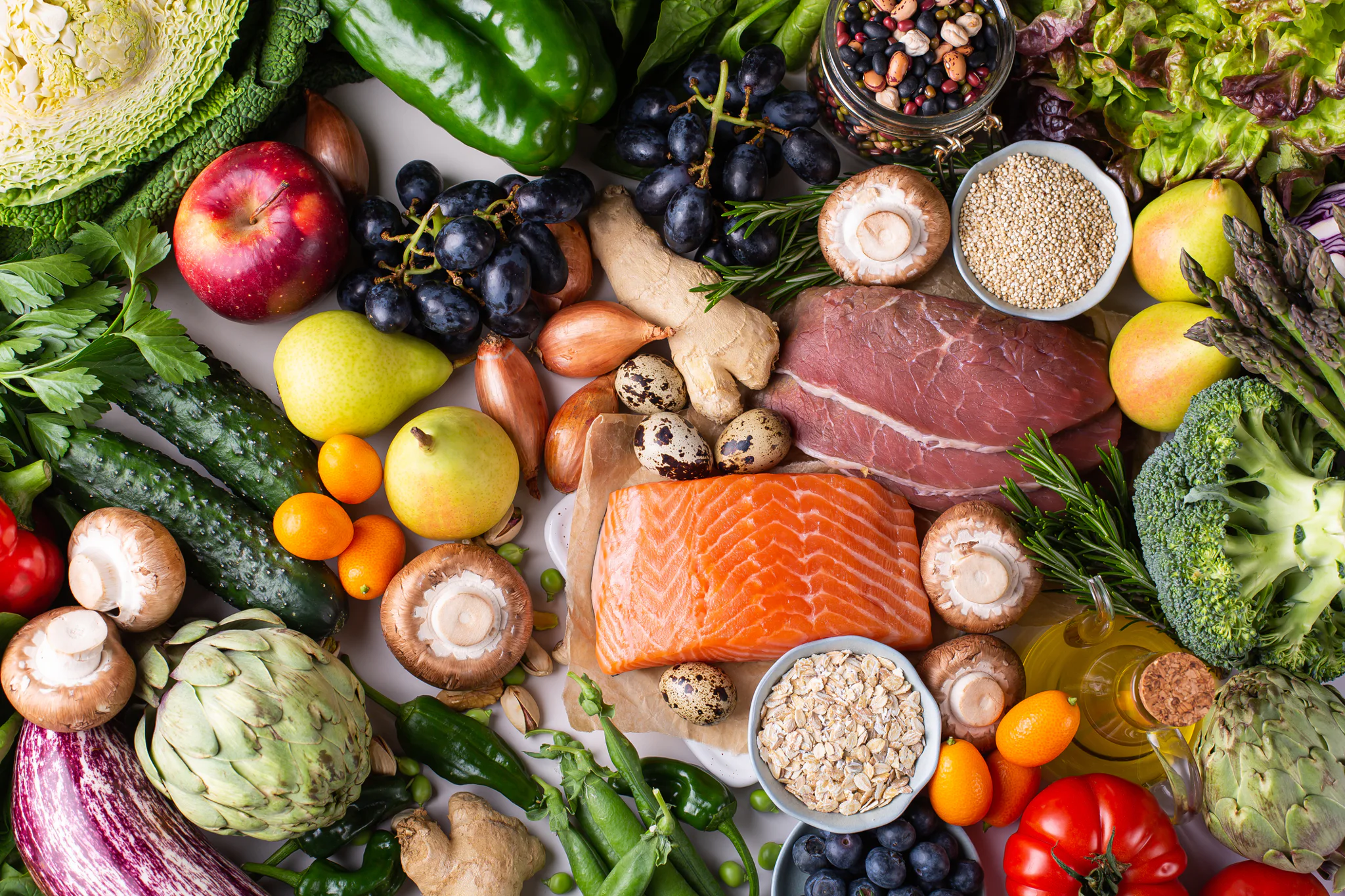
There are plenty of low histamine foods to include on a low histamine diet. Using an anti-inflammatory diet as a guide, like the Paleo diet or the autoimmune protocol (AIP) diet, is a good place to start. These approaches include whole foods like:
- Fresh meat and lower-histamine fish
- Gluten-free grains like rice, quinoa, or millet
- Fresh vegetables like lettuce, cucumbers, zucchini, kale, onions, green beans, or sweet potatoes
- Fresh fruits like apples, blueberries, kiwis, or pears
- Healthy fats such as olive oil, butter, ghee, coconut oil, or coconut milk
- Herbal teas
High Histamine Foods
Histamine in foods is created by the transformation of the amino acid histidine into histamine, often by the action of bacteria or yeasts through fermentation, aging, or storage. This means that fermented or aged foods and even leftovers usually have higher levels of histamine than fresh foods. However, certain vegetables, including spinach, certain tomato varieties, and eggplant, also naturally have higher histamine levels 8.
During the elimination phase of the low histamine diet, remove histamine-rich foods from your diet for a period of three weeks. Here is a list of high histamine foods:
- Aged cheeses
- Alcoholic beverages of any kind (especially red wine)
- Dried fruits
- Eggplant
- Tomato (histamine levels vary significantly based on variety and product)
- Fermented or aged meats (salami, sausages, prosciutto, and pepperoni)
- Fermented beverages (kombucha and water kefir)
- Fermented dairy products (yogurt, kefir, sour cream)
- Fermented or pickled vegetables (kimchi, sauerkraut, pickles, miso, natto)
- Fish and seafood, particularly tuna, mackerel, sardines, anchovies, and fish that has been smoked, salted, canned, or improperly stored 9
- Soy sauce, tamari, coconut aminos, and liquid aminos
- Spinach
- Leftovers or food that has not been stored properly
- Vinegars (apple cider, rice wine, and balsamic)
- Nutritional and brewer’s yeast
Some foods, including tomatoes and avocado, may worsen histamine-related symptoms in some people even though they are not consistently high in histamine. Individual tolerance varies, and research on these foods is less consistent.
What About Histamine Liberators?
Some foods may not be high in histamine themselves, but are thought to trigger the body to release histamine. These foods are often referred to as “histamine liberators” because they are thought to promote histamine release or otherwise increase histamine activity. However, the evidence supporting this effect is limited, and reactions vary considerably from person to person. You may or may not react negatively to these foods, so some careful attention is required to determine if you need to remove them from your diet. Here is a list of foods that may be histamine releasers 10:
- Alcohol
- Citrus fruits (like lemon, lime, and grapefruit)
- Pineapple
- Kiwi
- Papaya
- Chocolate and cocoa
- Egg white
- Cow’s milk
- Nuts (specifically cashews and walnuts)
- Coffee and caffeine-containing tea
- Some spices (cinnamon, cloves, curry powder, chili, and nutmeg)
- Certain food additives and preservatives
The evidence for these foods is much less consistent than for foods that naturally contain high levels of histamine, so individual tolerance varies. Keeping a food and symptom journal can help identify your personal triggers.
Alcohol and Other DAO Blockers
Some foods and beverages may inhibit diamine oxidase (DAO), the enzyme that helps break down histamine. When DAO activity is reduced, histamine can accumulate more easily and contribute to symptoms.
Alcohol deserves special attention because it may worsen histamine intolerance in several ways. In addition to containing histamine (particularly wine and beer), alcohol can reduce the activity of diamine oxidase (DAO), the enzyme responsible for breaking down histamine in the gut, allowing histamine to accumulate more easily 11. Energy drinks and teas (green tea, black tea, and yerba mate) have also been proposed as possible DAO blockers 10.
Some foods may also be DAO blockers, including 10:
- Bananas
- Strawberries
- Pineapple
- Citrus fruits
- Chocolate
How to Start a Low Histamine Diet
If you are experiencing histamine symptoms or allergy-like reactions after consuming certain foods, a low histamine diet may improve your quality of life.
Step 1: Begin With a Whole-Food Diet
Clean up your regular diet first: Don’t start a low histamine diet until you are already eating a whole-foods diet free of common allergens. A simple elimination diet, like the Paleo or low FODMAP diet, is an excellent place to start.
Step 2: Remove High Histamine Foods for Three Weeks
Remove high-histamine foods: If you still have histamine symptoms after eliminating potentially inflammatory foods, you can adopt the low histamine diet.
Using the high histamine food list above, do a three-week elimination of high histamine foods, histamine-liberating foods, and foods that block the action of the DAO enzyme. If you don’t experience symptom relief, histamine is not likely what is causing your symptoms.
Step 3: Reintroduce Foods One at a Time
Reintroduce foods to test for a reaction: Once you have completed the elimination, it’s time to begin reintroducing foods, one at a time. Start with the foods you miss most.
As histamine intolerance is mainly due to the overall load of histamine foods, work to find your ideal threshold. The key to remaining symptom-free is to not eat more histamine than your body can metabolize. Using a food diary can help you track your reactions.
Step 4: Find Your Personal Histamine Threshold
Maintenance: Now that you know your personal threshold for how much histamine you can have without a reaction, continue to avoid the quantity of histamine foods that trigger symptoms while you work on resolving your root causes.
Remember that an elimination diet is not meant to be forever. Continue to avoid the foods that clearly cause a reaction, but feel free to add foods that don’t cause reactions back into your diet. There’s no need to continue to avoid foods that don’t cause symptoms.
Low Histamine Diet Meal Plan
What can you eat on a low histamine diet? Lots of delicious foods. When reorganizing your diet, it’s a good idea to follow these simple tips:
- Keep it simple to start. Choose a few particular recipes and use them to develop some simple, customized food lists. Be willing to repeat your core basic recipes frequently in the beginning, then expand.
- Be prepared. Stock your pantry and kitchen with foods you can eat, and build your meals and snacks around those.
- Be as strict as possible for 2–4 weeks.
- Don’t stay on the diet too long after the trial period if it’s truly not working.
- Reintroduce foods slowly, one at a time, to check for reactions. Chances are you won’t react to all the high histamine foods. Work with a food journal to help you clarify which foods are your worst triggers.
Here is a sample day on a low histamine diet:
- Breakfast: Oatmeal with blueberries, toasted almonds, coconut, and a drizzle of maple syrup.
- Lunch: Green salad with rice, cucumbers, grated carrot, radishes, and fresh herbs, and roasted chicken breast, with an olive oil and apple juice dressing.
- Snack: Gluten-free crackers with hummus (omit lemon if sensitive) and carrot sticks, or a smoothie with coconut milk, protein powder, blueberry, and pear.
- Dinner: Freshly thawed, grilled turkey burger with a side of oven-roasted, herbed, garlic potatoes, and sautéed kale.
Food Storage Tips That Keep Histamine Lower
Because histamine levels increase in protein-rich foods the longer they are stored, a few key tips can help you avoid additional histamine in your diet.
Cook or Freeze Meat Promptly
Histamine levels increase in meat and fish the longer they sit before cooking. Freezing arrests this process of histamine production. When you return from the store with meat, either cook it immediately or freeze it so you can thaw and cook later.
Freeze Leftovers Instead of Refrigerating Them
Similarly, histamine builds in leftovers as they are stored in the refrigerator. Freeze leftovers in serving sizes appropriate for you or your family, and thaw later to reheat.
Choose Fresher, Less-Ripe Foods
Histamine can increase with ripening. So, if you are eating higher histamine fruits and vegetables, choosing under-ripe options can help reduce your intake.
Histamine Intolerance Supplements
Some dietary supplements can help your body do a better job of breaking down histamine. Antihistamine medications block the histamine receptors, but do nothing to deal with the excess of histamine present in the first place.
- A DAO supplement can directly support your body’s ability to break down and excrete excess histamine. One study found that DAO with meals significantly reduced histamine intolerance symptoms 12.
- Vitamin B6 is a cofactor involved in histamine metabolism and may support normal DAO activity, particularly in people who are deficient 13 14.
- Vitamin C has mast cell-stabilizing properties and has been shown to lower circulating histamine levels, making it a promising supportive nutrient for people with histamine intolerance 15 16.
Probiotics for Histamine Intolerance
There are many varying opinions, especially on the internet, on how probiotics impact histamine intolerance and histamine levels. While we don’t have any direct research about probiotics and histamine intolerance, we can make some educated inferences.
There are studies that have recognized a connection between histamine intolerance and gut conditions 17, with patients with histamine intolerance more likely to test positive for gut bacteria imbalances and leaky gut when compared with a control group 7.
Research shows that probiotics are effective against gut infections such as small intestinal bacterial overgrowth (SIBO) 18 19, bacterial and parasitic infections 20 21 22 23, and leaky gut 24 25 26 27. There is limited specific data about whether probiotics help resolve histamine intolerance, but probiotics have certainly been shown to benefit histamine-mediated conditions, such as seasonal allergies 28 29, eczema 30, and asthma 31. These data suggest that probiotics have a role to play in moderating histamine intolerance.
There’s no need to select specific “low histamine” probiotics. Including a quality probiotic from each of the three main categories, Lactobacillus and Bifidobacteria blends, Saccharomyces boulardii, and a soil-based probiotic, and adapting that protocol to how your body responds is your best approach. For more on how to use probiotics, see our Probiotics Starter Guide.
Low Histamine Diet FAQs
A low histamine diet can include freshly cooked meat and poultry, lower-histamine fish, rice, quinoa, oats, most fresh vegetables, non-citrus fruits such as apples and blueberries, olive oil, coconut products, and herbal teas. Food tolerance varies, so use these foods as a starting point rather than a permanent universal list.
Aged cheese, fermented vegetables, cured meats, alcohol, kombucha, yogurt, soy sauce, canned or smoked fish, and refrigerated leftovers tend to contain more histamine. In general, aging, fermentation, processing, and prolonged storage allow histamine levels to rise.
Try a relatively strict elimination for about three weeks. If symptoms improve, begin reintroducing foods one at a time. A low histamine diet is intended to help identify triggers and tolerance, not to eliminate a wide range of foods forever.
Some people notice changes within several days, while others may need two to three weeks to assess the diet properly. If you see no meaningful improvement after a consistent three-week trial, histamine may not be a significant part of your symptoms.
Your body primarily breaks down dietary histamine using the DAO enzyme in the digestive tract. Temporarily reducing high-histamine foods, limiting alcohol, eating fresh foods, and addressing underlying digestive problems may reduce the total histamine burden. DAO supplements may also help some people tolerate histamine-containing meals.
No. A low histamine diet limits foods based primarily on histamine content, freshness, fermentation, and individual reactions. A low FODMAP diet restricts fermentable carbohydrates that can contribute to gas, bloating, pain, and altered bowel movements. People with both histamine-type and IBS symptoms may sometimes benefit from combining elements of the two diets, but the combined plan can become unnecessarily restrictive.
Liked this article? Get weekly gut health insights.
Join 40,000+ readers who get evidence-based health tips — no spam, no fluff.
By subscribing you agree to our Privacy Policy. Unsubscribe anytime.
Bottom Line on the Low Histamine Diet
A low histamine diet can be a useful short-term experiment if symptoms like itching, headaches, flushing, digestive upset, or fatigue seem to worsen after certain foods. Start with fresh, minimally processed foods, remove the most likely triggers for about three weeks, and then reintroduce foods gradually to find your personal tolerance.
You don’t need to follow a highly restrictive diet forever. The goal is to determine whether histamine is actually contributing to your symptoms and, if it is, identify the foods and quantities your body can comfortably handle.
If your symptoms continue despite dietary changes, there may be more going on beneath the surface. Gut inflammation, bacterial overgrowth, nutrient deficiencies, and other digestive imbalances can all affect how well your body processes histamine.
At the Ruscio Institute for Functional Health, our clinicians take a stepwise approach to uncovering those underlying factors and building a treatment plan around your symptoms, history, and response to care. Book a consultation with us.
Continue Reading
➕ References
- Landete JM, Ferrer S, Pardo I. Biogenic amine production by lactic acid bacteria, acetic bacteria and yeast isolated from wine. Food Control. 2007 Dec;18(12):1569–74. DOI: 10.1016/j.foodcont.2006.12.008.
- Rentzos G, Weisheit A, Ekerljung L, van Odijk J. Measurement of diamine oxidase (DAO) during low-histamine or ordinary diet in patients with histamine intolerance. Eur J Clin Nutr. 2024 Aug;78(8):726–31. DOI: 10.1038/s41430-024-01448-2. PMID: 38769188. PMCID: PMC11300302.
- Lackner S, Malcher V, Enko D, Mangge H, Holasek SJ, Schnedl WJ. Histamine-reduced diet and increase of serum diamine oxidase correlating to diet compliance in histamine intolerance. Eur J Clin Nutr. 2019 Jan;73(1):102–4. DOI: 10.1038/s41430-018-0260-5. PMID: 30022117.
- Son JH, Chung BY, Kim HO, Park CW. A Histamine-Free Diet Is Helpful for Treatment of Adult Patients with Chronic Spontaneous Urticaria. Ann Dermatol. 2018 Apr;30(2):164–72. DOI: 10.5021/ad.2018.30.2.164. PMID: 29606813. PMCID: PMC5839887.
- Altobelli E, Del Negro V, Angeletti PM, Latella G. Low-FODMAP Diet Improves Irritable Bowel Syndrome Symptoms: A Meta-Analysis. Nutrients. 2017 Aug 26;9(9). DOI: 10.3390/nu9090940. PMID: 28846594. PMCID: PMC5622700.
- Chen B, Kim JJ-W, Zhang Y, Du L, Dai N. Prevalence and predictors of small intestinal bacterial overgrowth in irritable bowel syndrome: a systematic review and meta-analysis. J Gastroenterol. 2018 Jul;53(7):807–18. DOI: 10.1007/s00535-018-1476-9. PMID: 29761234.
- Schink M, Konturek PC, Tietz E, Dieterich W, Pinzer TC, Wirtz S, et al. Microbial patterns in patients with histamine intolerance. J Physiol Pharmacol. 2018 Aug;69(4). DOI: 10.26402/jpp.2018.4.09. PMID: 30552302.
- Sánchez-Pérez S, Comas-Basté O, Rabell-González J, Veciana-Nogués MT, Latorre-Moratalla ML, Vidal-Carou MC. Biogenic Amines in Plant-Origin Foods: Are They Frequently Underestimated in Low-Histamine Diets? Foods. 2018 Dec 14;7(12). DOI: 10.3390/foods7120205. PMID: 30558197. PMCID: PMC6306728.
- Rahmani J, Miri A, Mohseni-Bandpei A, Fakhri Y, Bjørklund G, Keramati H, et al. Contamination and Prevalence of Histamine in Canned Tuna from Iran: A Systematic Review, Meta-Analysis, and Health Risk Assessment. J Food Prot. 2018 Dec;81(12):2019–27. DOI: 10.4315/0362-028X.JFP-18-301. PMID: 30476444.
- Jackson K, Busse W, Gálvez-Martín P, Terradillos A, Martínez-Puig D. Evidence for dietary management of histamine intolerance. Int J Mol Sci. 2025 Sep 20;26(18). DOI: 10.3390/ijms26189198. PMID: 41009760.
- Kovacova-Hanuskova E, Buday T, Gavliakova S, Plevkova J. Histamine, histamine intoxication and intolerance. Allergol Immunopathol (Madr). 2015 Oct;43(5):498–506. DOI: 10.1016/j.aller.2015.05.001. PMID: 26242570.
- Schnedl WJ, Schenk M, Lackner S, Enko D, Mangge H, Forster F. Diamine oxidase supplementation improves symptoms in patients with histamine intolerance. Food Sci Biotechnol. 2019 Dec;28(6):1779–84. DOI: 10.1007/s10068-019-00627-3. PMID: 31807350. PMCID: PMC6859183.
- Hrubisko M, Danis R, Huorka M, Wawruch M. Histamine Intolerance-The More We Know the Less We Know. A Review. Nutrients. 2021 Jun 29;13(7). DOI: 10.3390/nu13072228. PMID: 34209583. PMCID: PMC8308327.
- Jochum C. Histamine intolerance: symptoms, diagnosis, and beyond. Nutrients. 2024 Apr 19;16(8). DOI: 10.3390/nu16081219. PMID: 38674909. PMCID: PMC11054089.
- Comas-Basté O, Sánchez-Pérez S, Veciana-Nogués MT, Latorre-Moratalla M, Vidal-Carou MDC. Histamine intolerance: the current state of the art. Biomolecules. 2020 Aug 14;10(8). DOI: 10.3390/biom10081181. PMID: 32824107. PMCID: PMC7463562.
- Hagel AF, Layritz CM, Hagel WH, Hagel H-J, Hagel E, Dauth W, et al. Intravenous infusion of ascorbic acid decreases serum histamine concentrations in patients with allergic and non-allergic diseases. Naunyn Schmiedebergs Arch Pharmacol. 2013 Sep;386(9):789–93. DOI: 10.1007/s00210-013-0880-1. PMID: 23666445.
- Enko D, Meinitzer A, Mangge H, Kriegshäuser G, Halwachs-Baumann G, Reininghaus EZ, et al. Concomitant prevalence of low serum diamine oxidase activity and carbohydrate malabsorption. Can J Gastroenterol Hepatol. 2016 Nov 30;2016:4893501. DOI: 10.1155/2016/4893501. PMID: 28042564. PMCID: PMC5155086.
- Leventogiannis K, Gkolfakis P, Spithakis G, Tsatali A, Pistiki A, Sioulas A, et al. Effect of a Preparation of Four Probiotics on Symptoms of Patients with Irritable Bowel Syndrome: Association with Intestinal Bacterial Overgrowth. Probiotics Antimicrob Proteins. 2019 Jun;11(2):627–34. DOI: 10.1007/s12602-018-9401-3. PMID: 29508268. PMCID: PMC6541575.
- Zhong C, Qu C, Wang B, Liang S, Zeng B. Probiotics for Preventing and Treating Small Intestinal Bacterial Overgrowth: A Meta-Analysis and Systematic Review of Current Evidence. J Clin Gastroenterol. 2017 Apr;51(4):300–11. DOI: 10.1097/MCG.0000000000000814. PMID: 28267052.
- Besirbellioglu BA, Ulcay A, Can M, Erdem H, Tanyuksel M, Avci IY, et al. Saccharomyces boulardii and infection due to Giardia lamblia. Scand J Infect Dis. 2006;38(6–7):479–81. DOI: 10.1080/00365540600561769. PMID: 16798698.
- Dinleyici EC, Eren M, Dogan N, Reyhanioglu S, Yargic ZA, Vandenplas Y. Clinical efficacy of Saccharomyces boulardii or metronidazole in symptomatic children with Blastocystis hominis infection. Parasitol Res. 2011 Mar;108(3):541–5. DOI: 10.1007/s00436-010-2095-4. PMID: 20922415.
- Demirel G, Celik IH, Erdeve O, Saygan S, Dilmen U, Canpolat FE. Prophylactic Saccharomyces boulardii versus nystatin for the prevention of fungal colonization and invasive fungal infection in premature infants. Eur J Pediatr. 2013 Oct;172(10):1321–6. DOI: 10.1007/s00431-013-2041-4. PMID: 23703468.
- Eslami M, Yousefi B, Kokhaei P, Jazayeri Moghadas A, Sadighi Moghadam B, Arabkari V, et al. Are probiotics useful for therapy of Helicobacter pylori diseases? Comp Immunol Microbiol Infect Dis. 2019 Jun;64:99–108. DOI: 10.1016/j.cimid.2019.02.010. PMID: 31174707.
- Mujagic Z, de Vos P, Boekschoten MV, Govers C, Pieters H-JHM, de Wit NJW, et al. The effects of Lactobacillus plantarum on small intestinal barrier function and mucosal gene transcription; a randomized double-blind placebo controlled trial. Sci Rep. 2017 Jan 3;7:40128. DOI: 10.1038/srep40128. PMID: 28045137. PMCID: PMC5206730.
- McFarlin BK, Henning AL, Bowman EM, Gary MA, Carbajal KM. Oral spore-based probiotic supplementation was associated with reduced incidence of post-prandial dietary endotoxin, triglycerides, and disease risk biomarkers. World J Gastrointest Pathophysiol. 2017 Aug 15;8(3):117–26. DOI: 10.4291/wjgp.v8.i3.117. PMID: 28868181. PMCID: PMC5561432.
- Lamprecht M, Bogner S, Schippinger G, Steinbauer K, Fankhauser F, Hallstroem S, et al. Probiotic supplementation affects markers of intestinal barrier, oxidation, and inflammation in trained men; a randomized, double-blinded, placebo-controlled trial. J Int Soc Sports Nutr. 2012 Sep 20;9(1):45. DOI: 10.1186/1550-2783-9-45. PMID: 22992437. PMCID: PMC3465223.
- Sindhu KNC, Sowmyanarayanan TV, Paul A, Babji S, Ajjampur SSR, Priyadarshini S, et al. Immune response and intestinal permeability in children with acute gastroenteritis treated with Lactobacillus rhamnosus GG: a randomized, double-blind, placebo-controlled trial. Clin Infect Dis. 2014 Apr;58(8):1107–15. DOI: 10.1093/cid/ciu065. PMID: 24501384. PMCID: PMC3967829.
- Dennis-Wall JC, Culpepper T, Nieves C, Rowe CC, Burns AM, Rusch CT, et al. Probiotics (Lactobacillus gasseri KS-13, Bifidobacterium bifidum G9-1, and Bifidobacterium longum MM-2) improve rhinoconjunctivitis-specific quality of life in individuals with seasonal allergies: a double-blind, placebo-controlled, randomized trial. Am J Clin Nutr. 2017 Mar;105(3):758–67. DOI: 10.3945/ajcn.116.140012. PMID: 28228426.
- Güvenç IA, Muluk NB, Mutlu FŞ, Eşki E, Altıntoprak N, Oktemer T, et al. Do probiotics have a role in the treatment of allergic rhinitis? A comprehensive systematic review and meta-analysis. Am J Rhinol Allergy. 2016 Sep 1;30(5):157–75. DOI: 10.2500/ajra.2016.30.4354. PMID: 27442711.
- Umborowati MA, Damayanti D, Anggraeni S, Endaryanto A, Surono IS, Effendy I, et al. The role of probiotics in the treatment of adult atopic dermatitis: a meta-analysis of randomized controlled trials. J Health Popul Nutr. 2022 Aug 17;41(1):37. DOI: 10.1186/s41043-022-00318-6. PMID: 35978397. PMCID: PMC9386980.
- Balan D, Baral T, Manu MK, Mohapatra AK, Miraj SS. Efficacy of probiotics as adjuvant therapy in bronchial asthma: a systematic review and meta-analysis. Allergy Asthma Clin Immunol. 2024 Nov 19;20(1):60. DOI: 10.1186/s13223-024-00922-7. PMID: 39563347. PMCID: PMC11575415.